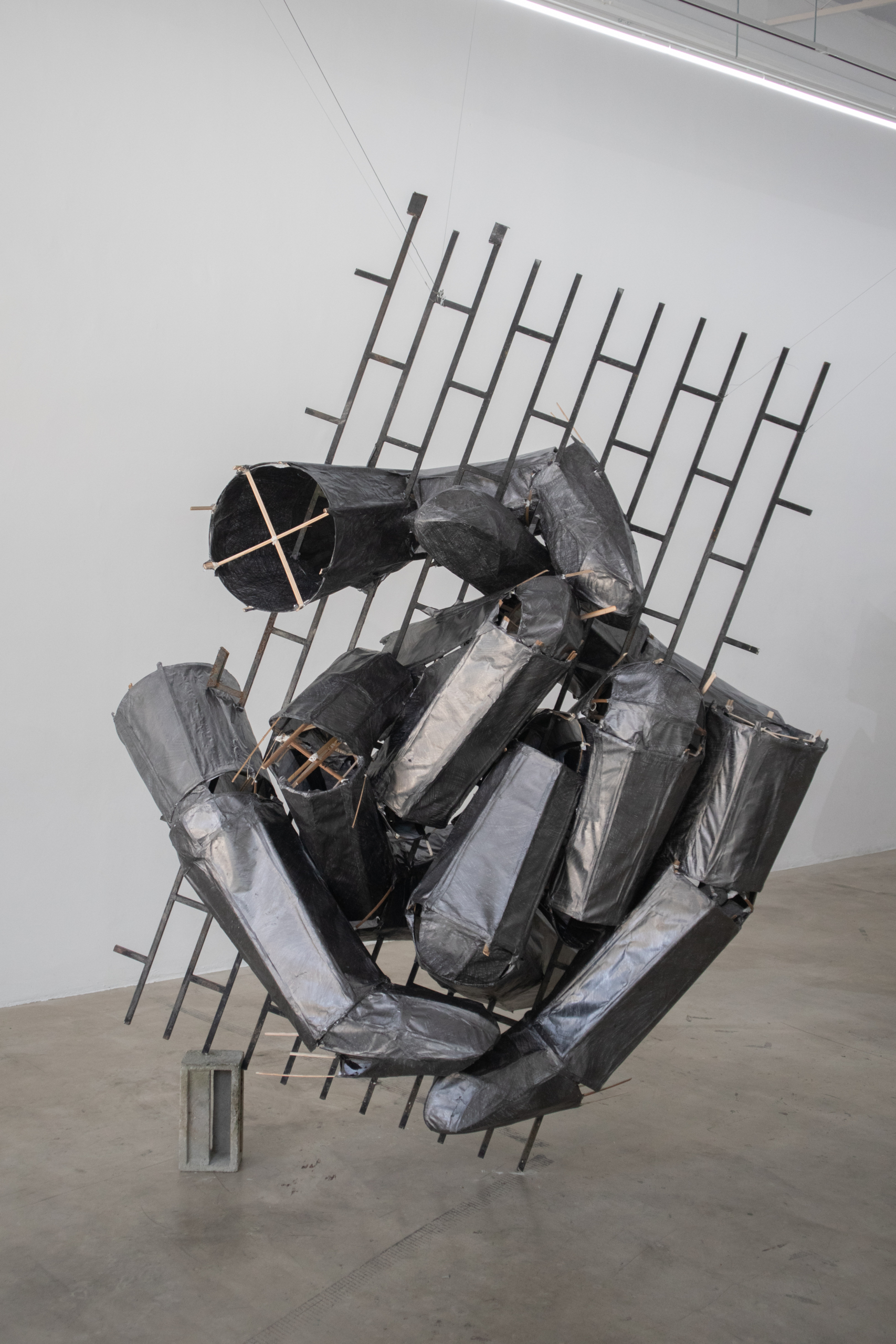
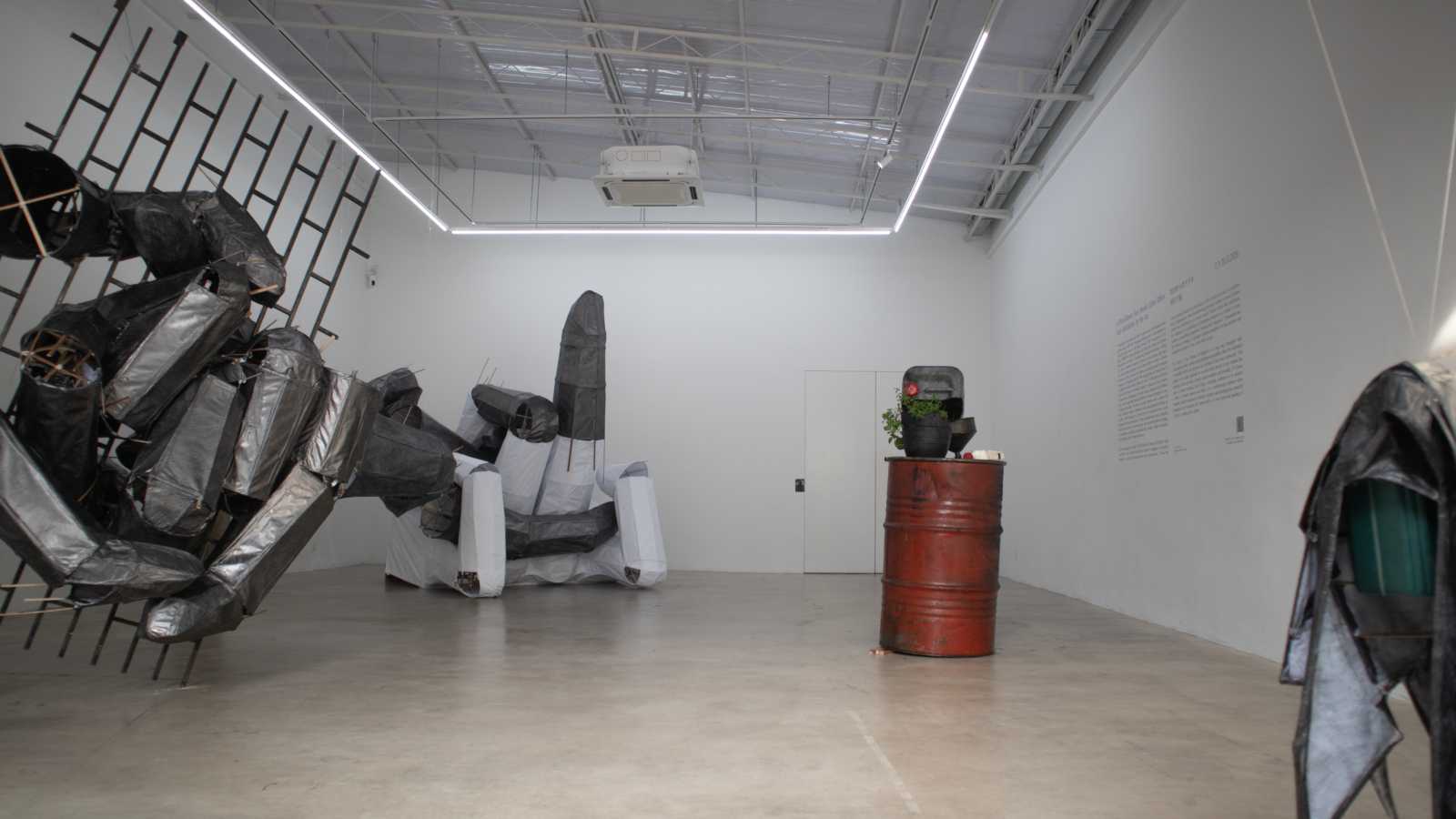
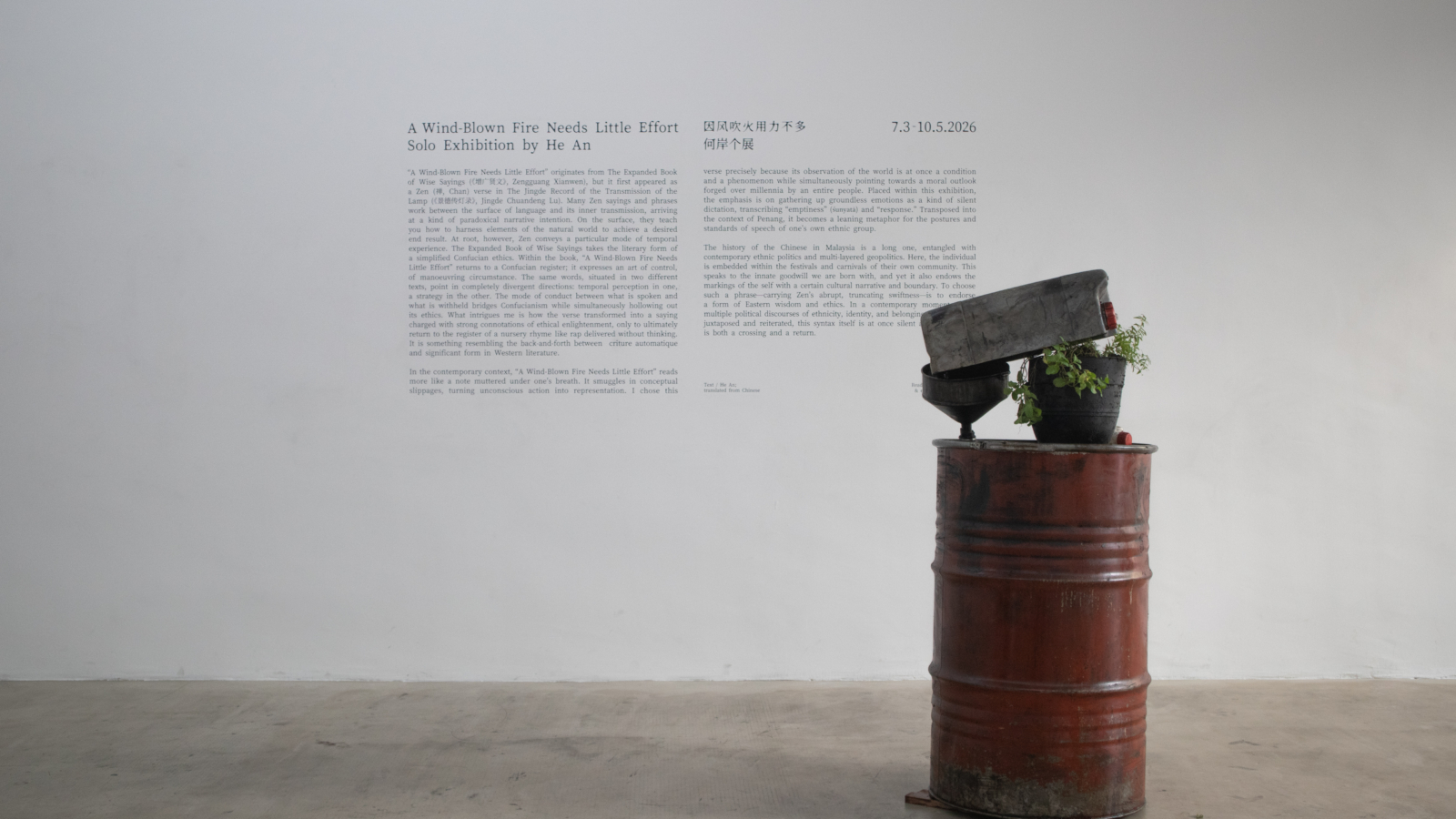
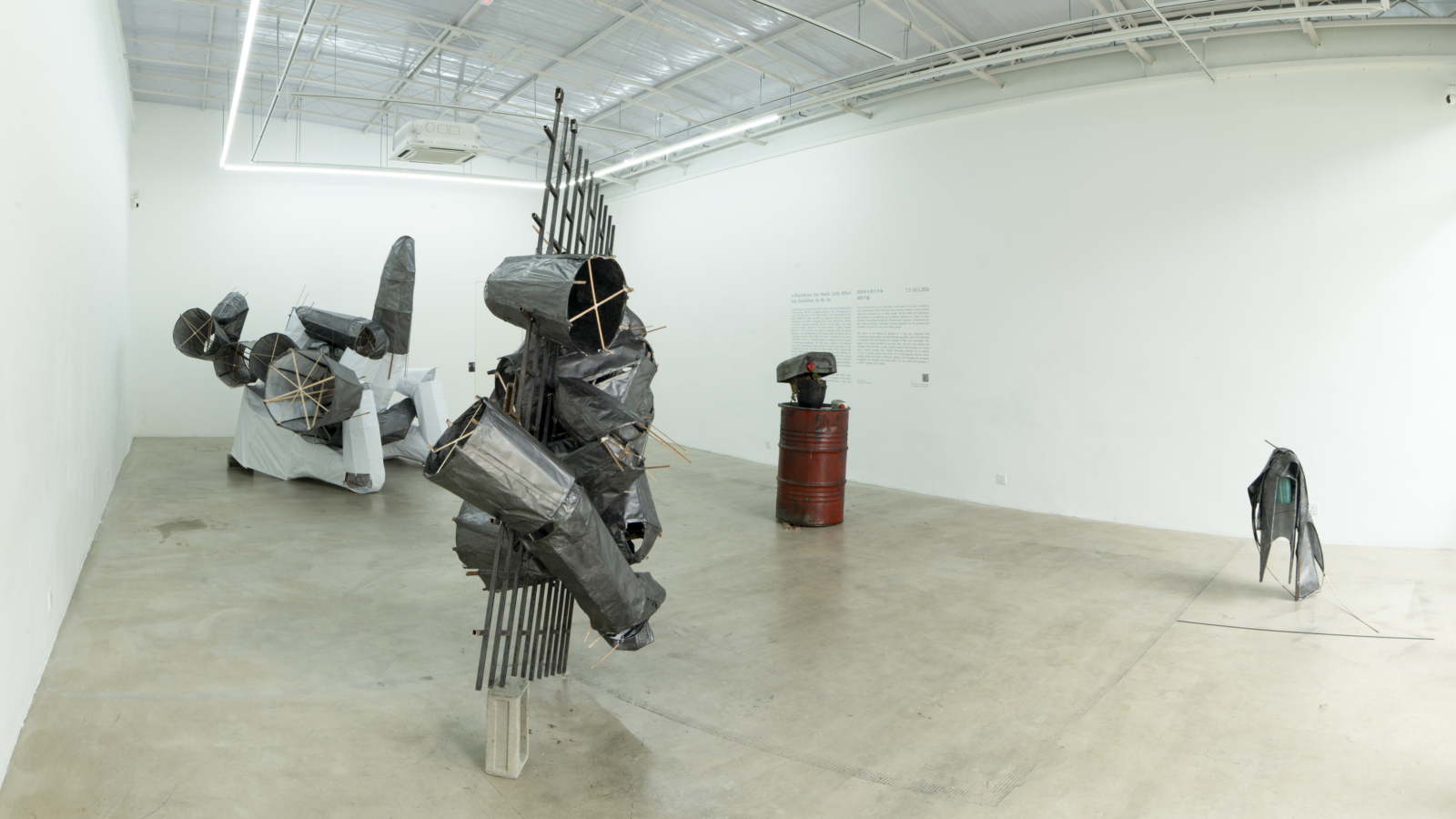
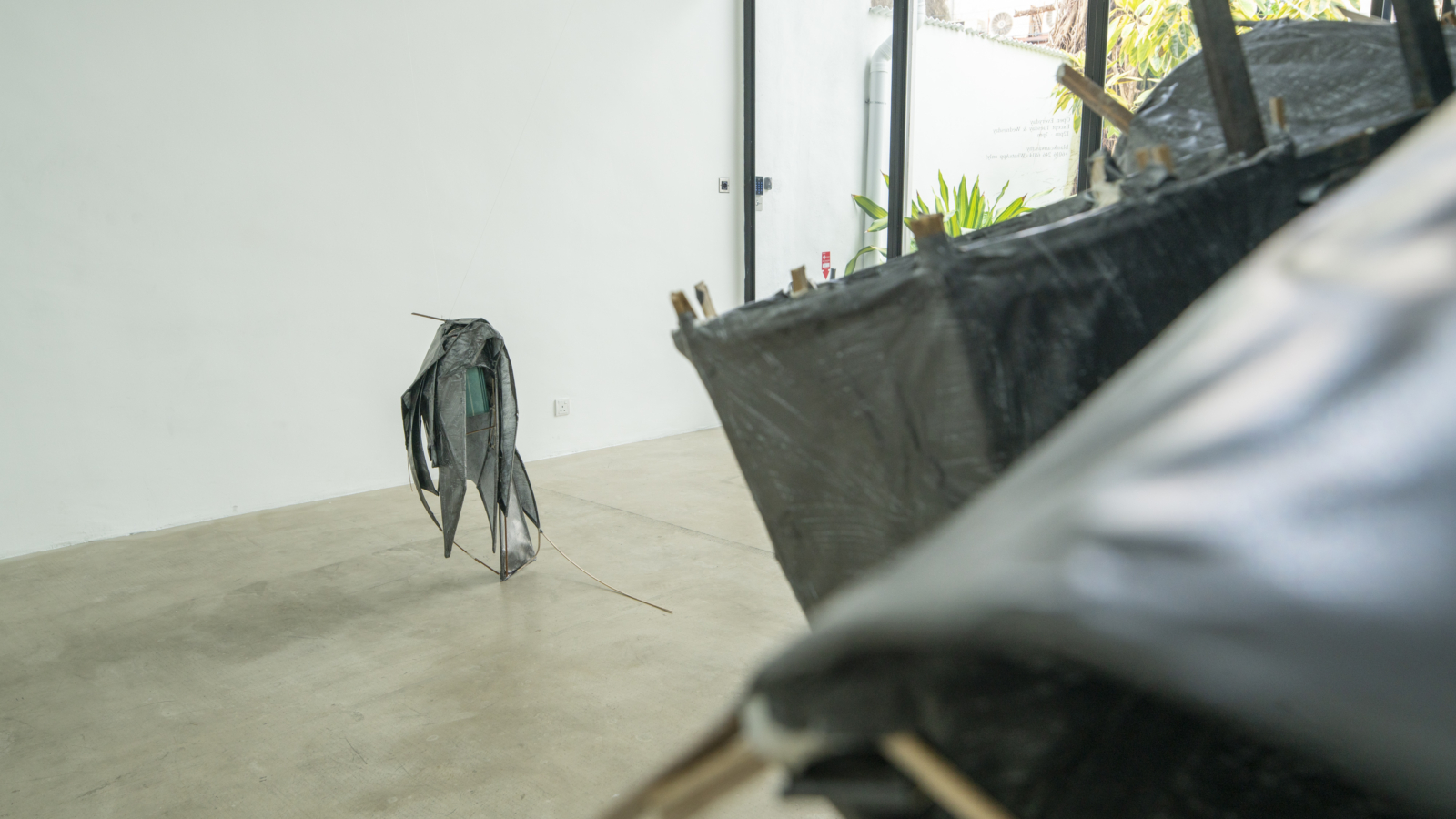
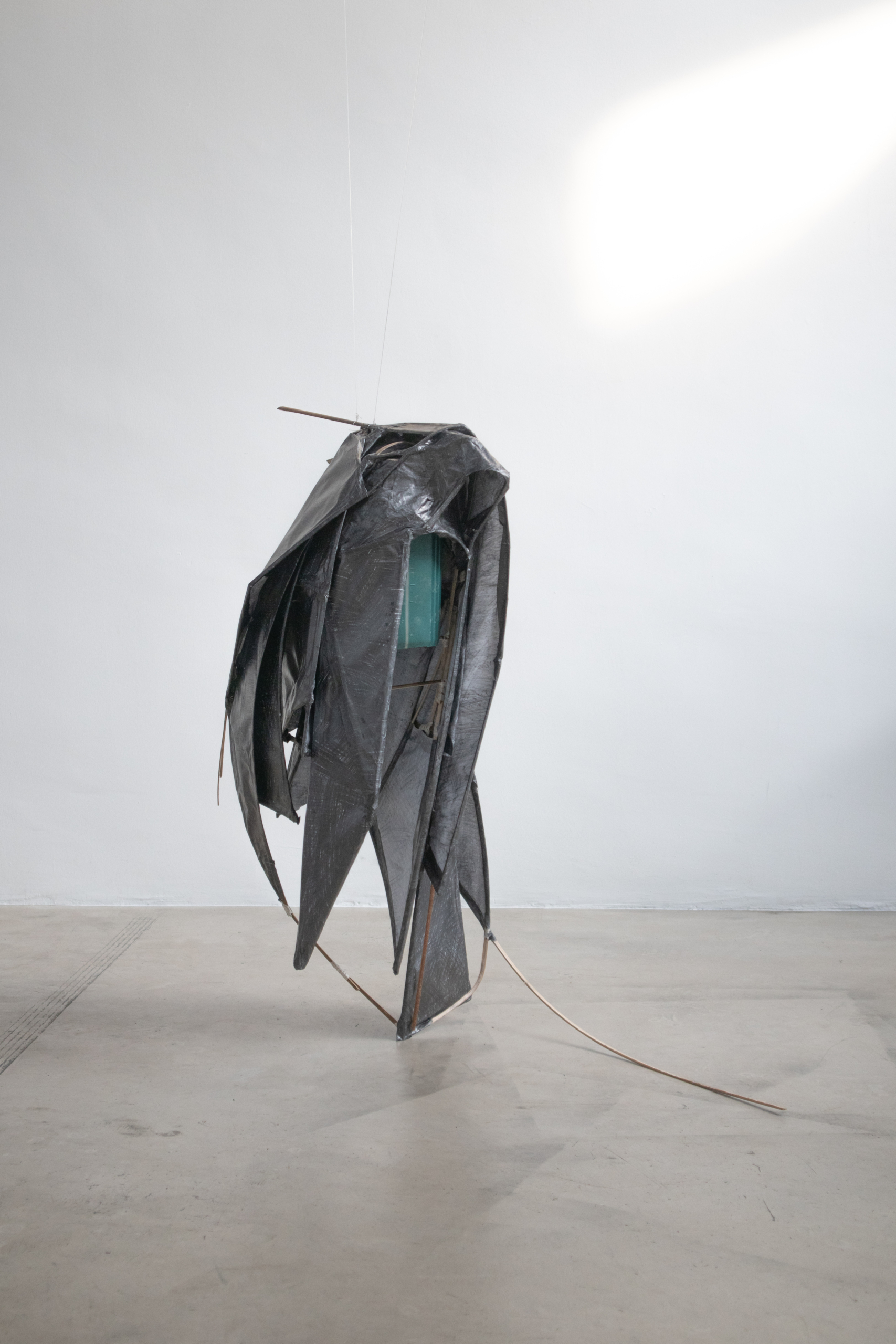
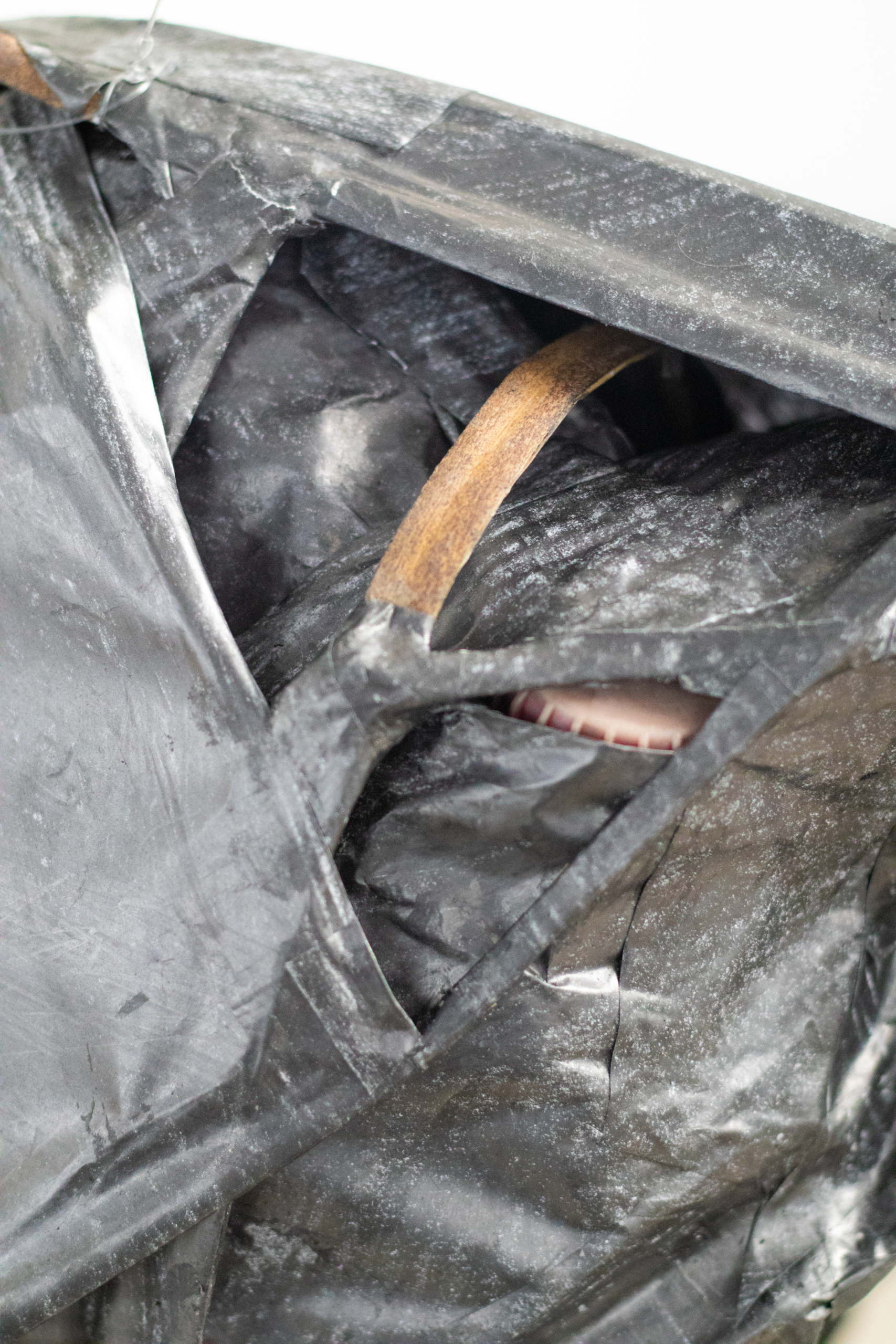
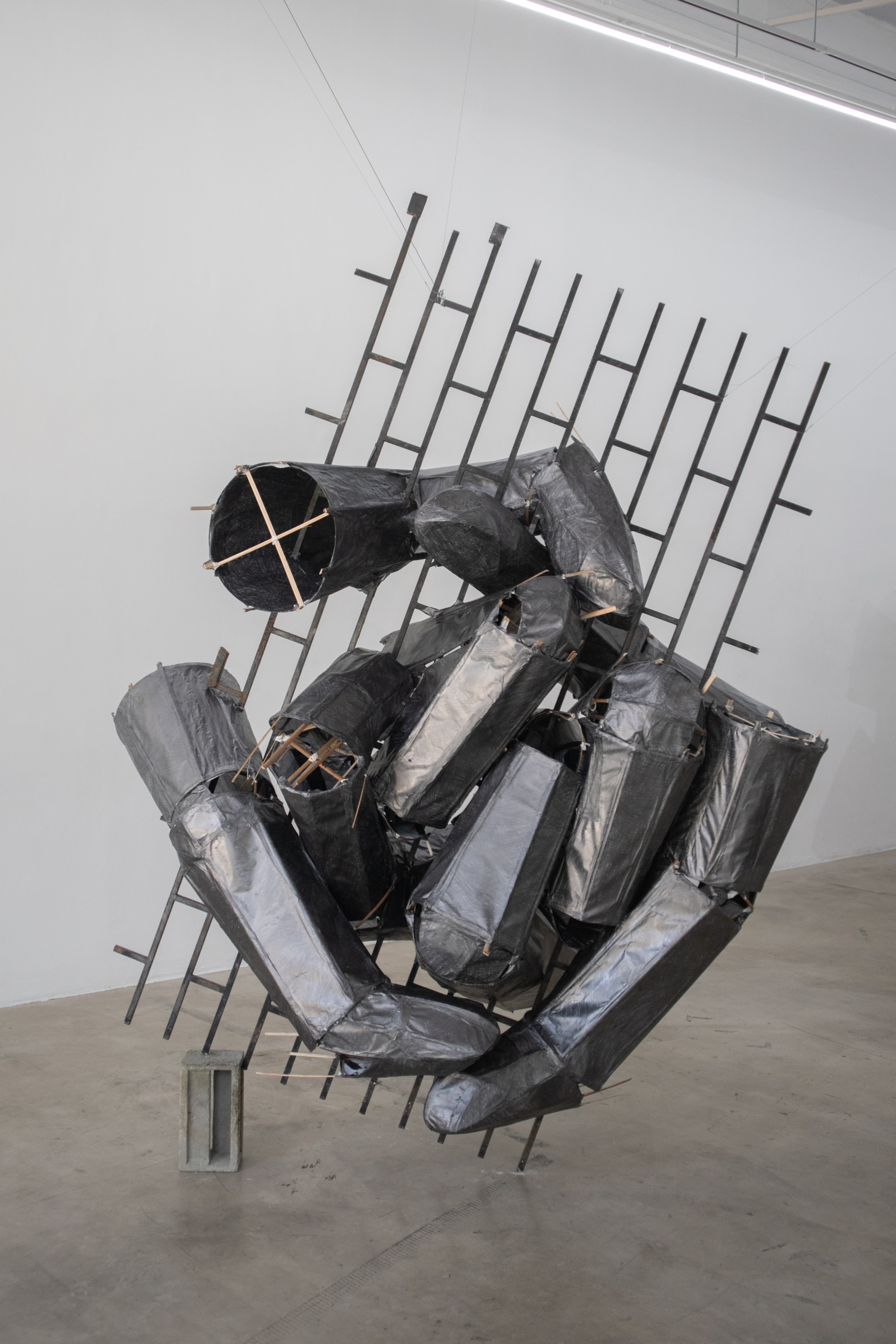
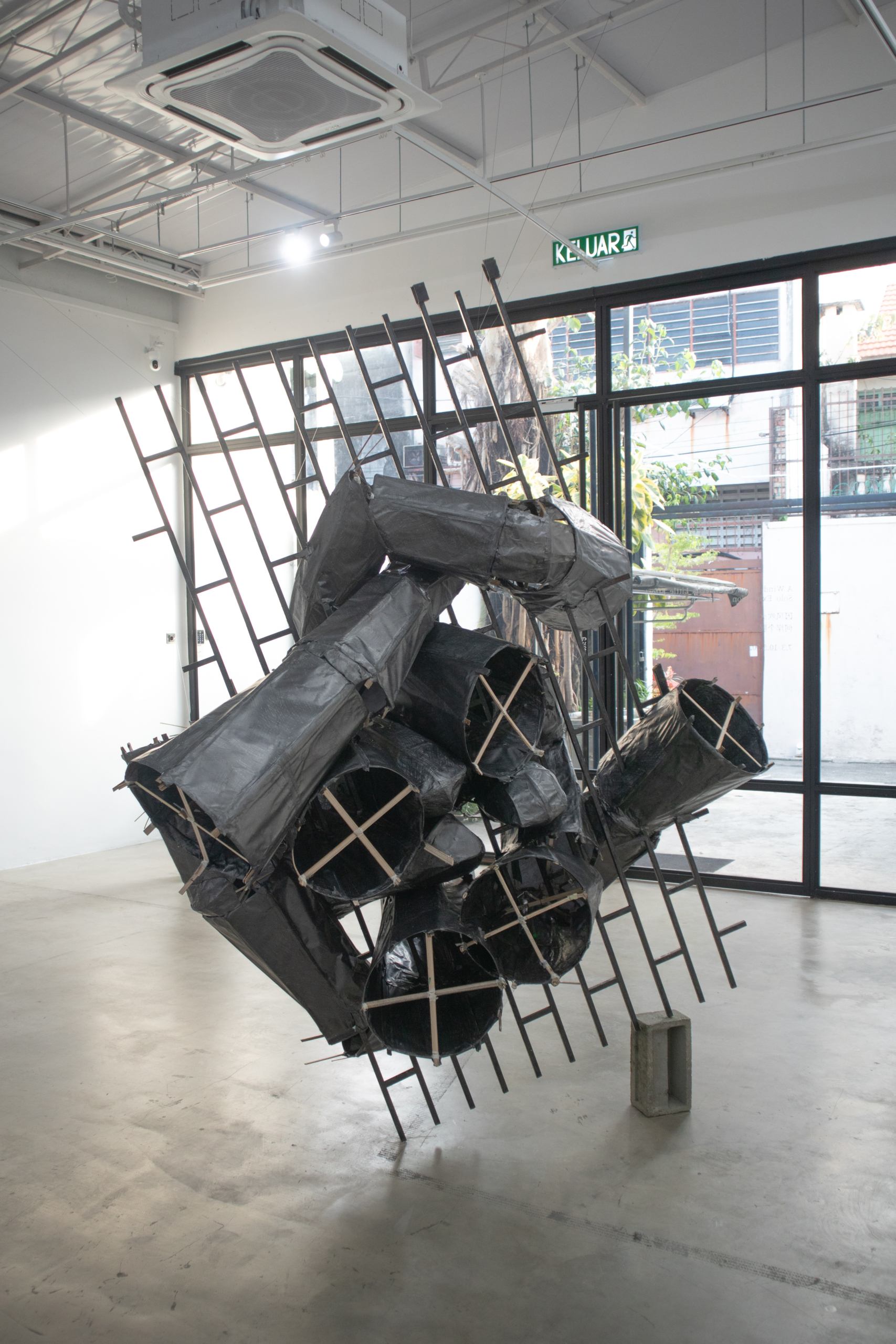
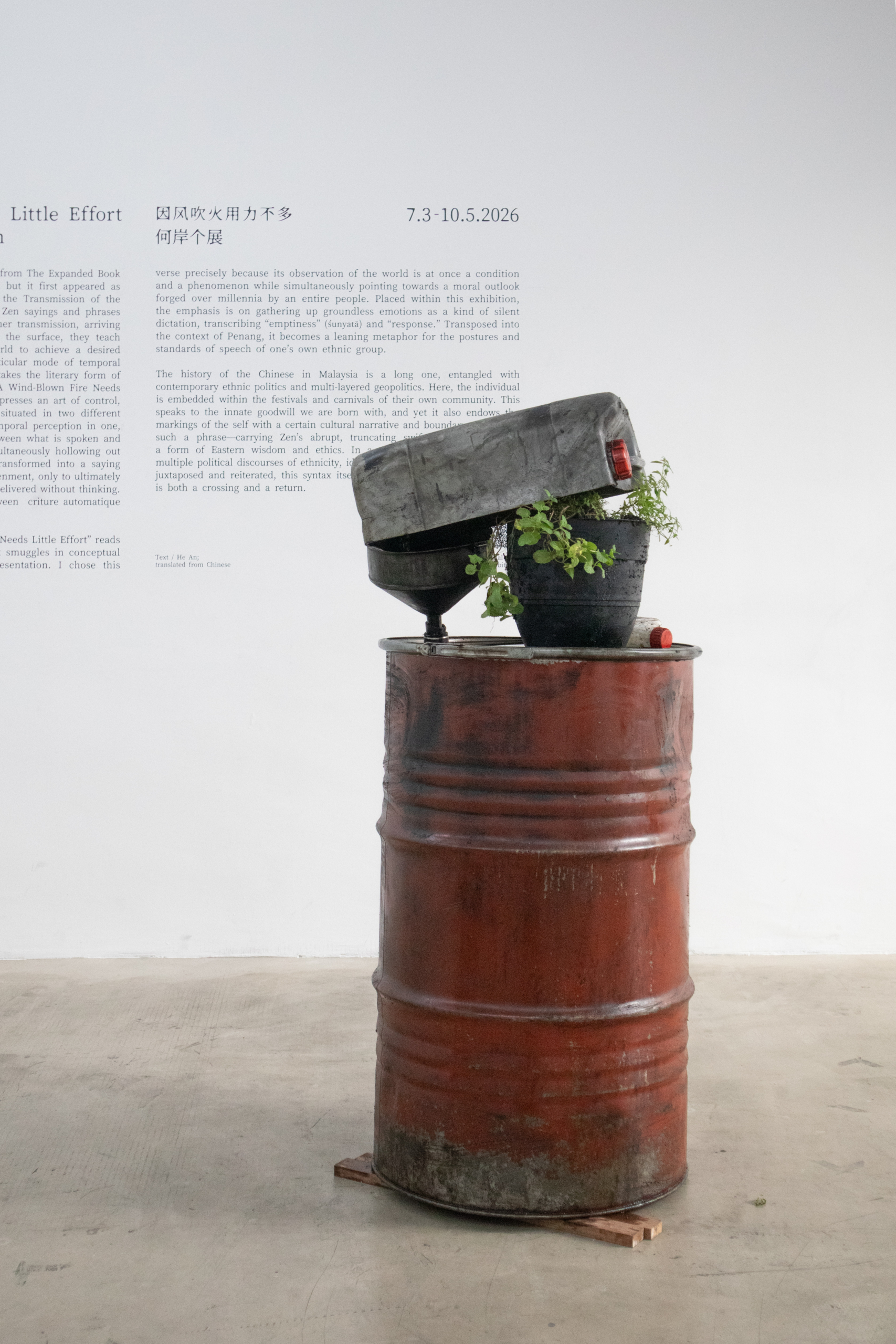
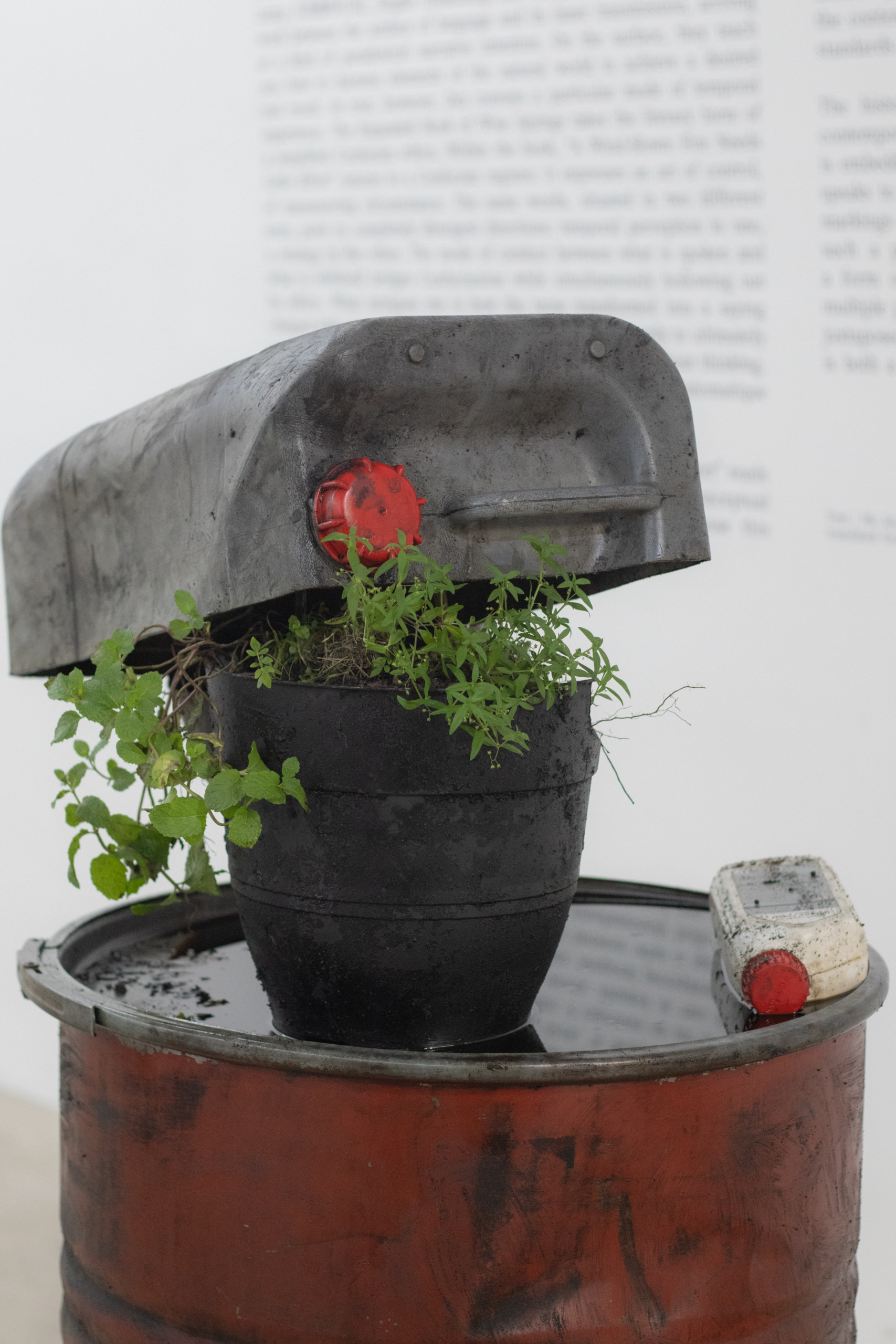
“A Wind-Blown Fire Needs Little Effort” originates from The Expanded Book of Wise Sayings (《增广贤文》, Zengguang Xianwen)i, but it first appeared as a Zen (禅, Chan) verse in The Jingde Record of the Transmission of the Lamp (《景德传灯录》, Jingde Chuandeng Lu)ii. Many Zen sayings and phrases work between the surface of language and its inner transmission, arriving at a kind of paradoxical narrative intention. On the surface, they teach you how to harness elements of the natural world to achieve a desired end result. At root, however, Zen conveys a particular mode of temporal experience. The Expanded Book of Wise Sayings takes the literary form of a simplified Confucian ethics. Within the book, “A Wind-Blown Fire Needs Little Effort” returns to a Confucian register; it expresses an art of control, of manoeuvring circumstance. The same words, situated in two different texts, point in completely divergent directions: temporal perception in one, a strategy in the other. The mode of conduct between what is spoken and what is withheld bridges Confucianism while simultaneously hollowing out its ethics. What intrigues me is how the verse transformed into a saying charged with strong connotations of ethical enlightenment, only to ultimately return to the register of a nursery rhyme—like rap delivered without thinking. It is something resembling the back-and-forth between écriture automatique and significant form in Western literatureiii.
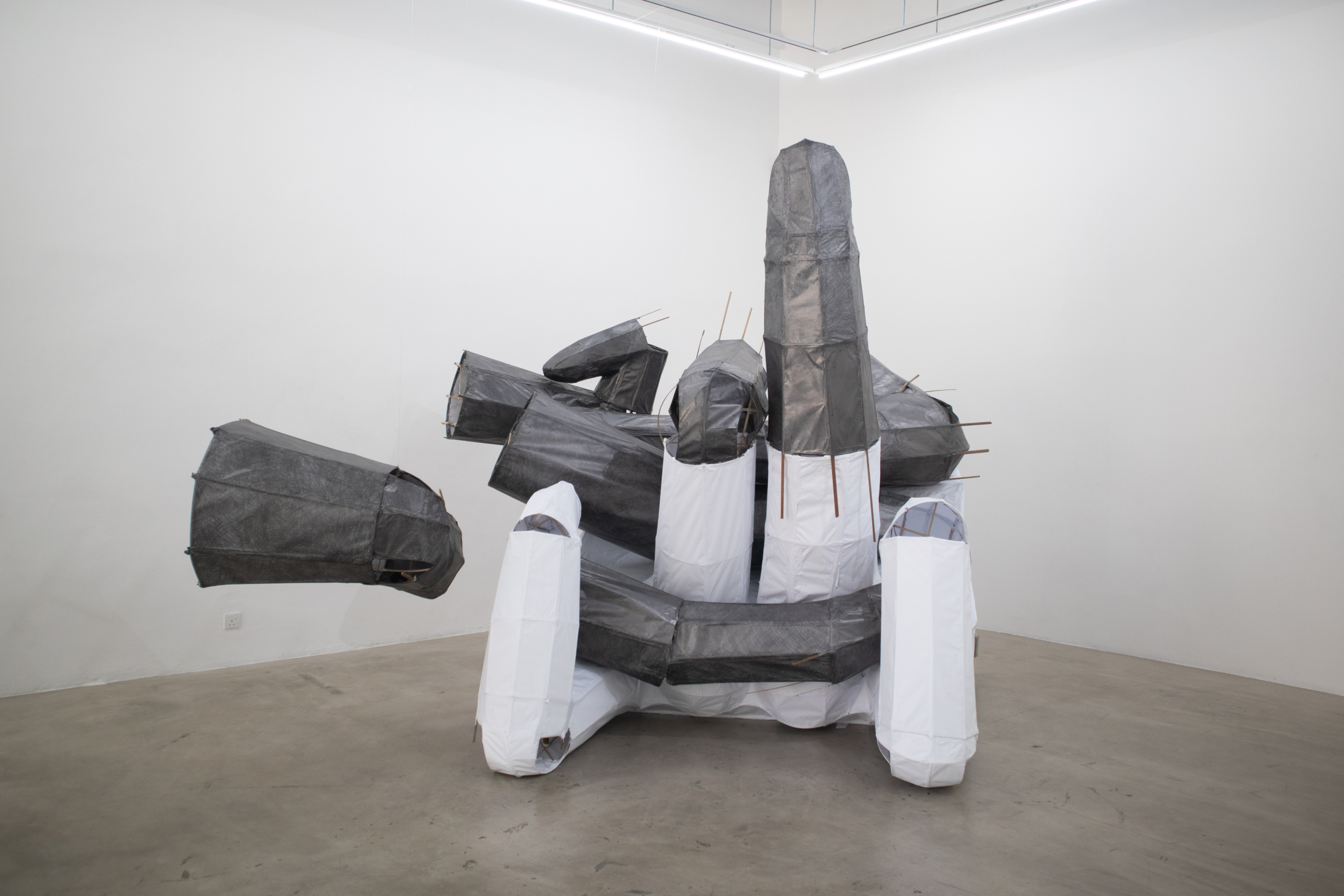
In the contemporary context, “A Wind-Blown Fire Needs Little Effort” reads more like a note muttered under one’s breath. It smuggles in conceptual slippages, turning unconscious action into representation. I chose this verse precisely because its observation of the world is at once a condition and a phenomenon while simultaneously pointing towards a moral outlook forged over millennia by an entire people. Placed within this exhibition, the emphasis is on gathering up groundless emotions as a kind of silent dictation, transcribing “emptiness” (śūnyatā) and “response.” Transposed into the context of Penang, it becomes a leaning metaphor for the postures and standards of speech of one’s own ethnic group.
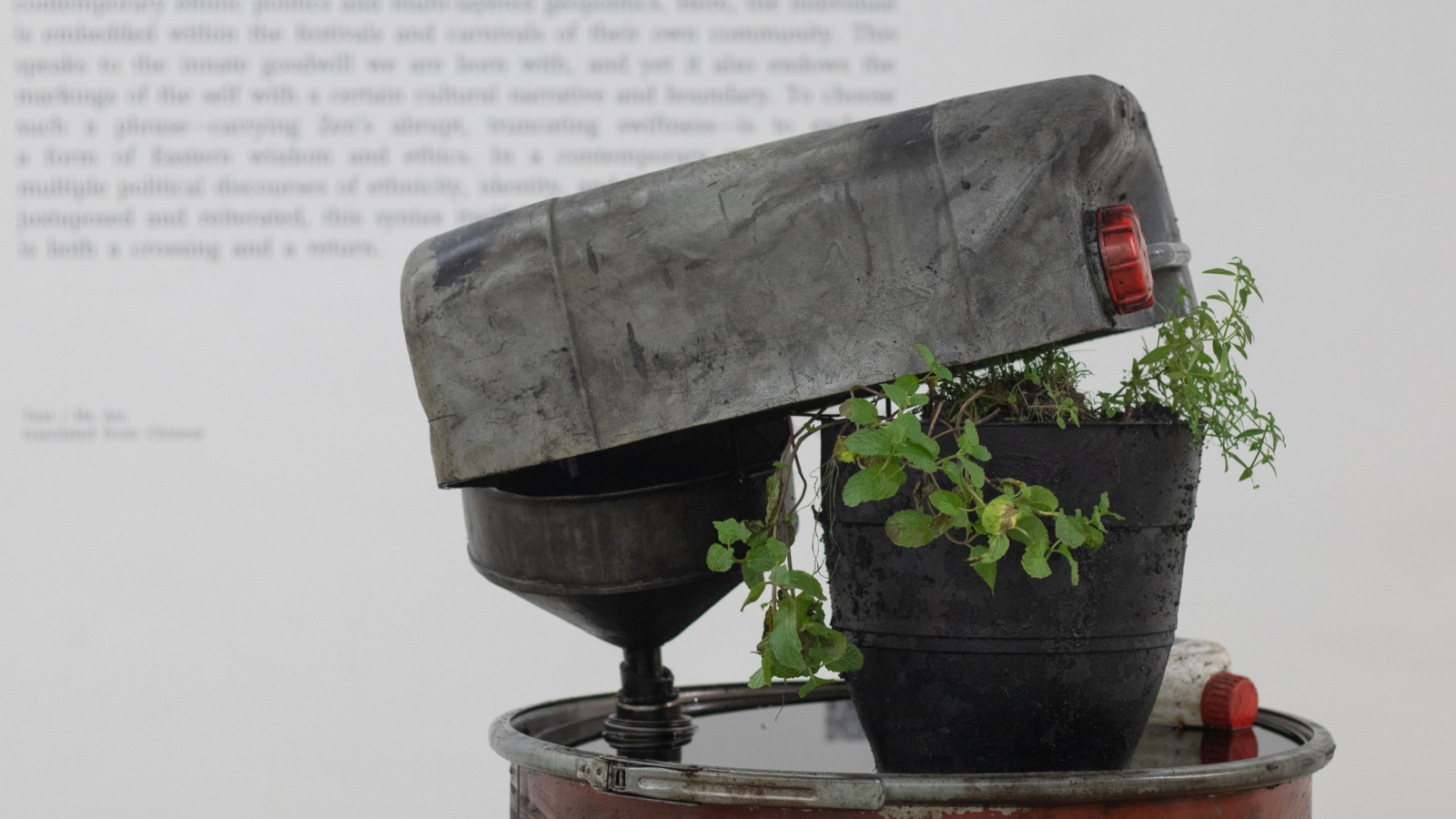
The history of the Chinese in Malaysia is a long one, entangled with contemporary ethnic politics and multi-layered geopolitics. Here, the individual is embedded within the festivals and carnivals of their own community. This speaks to the innate goodwill we are born with, and yet it also endows the markings of the self with a certain cultural narrative and boundary. To choose such a phrase—carrying Zen’s abrupt, truncating swiftness—is to endorse a form of Eastern wisdom and ethics. In a contemporary moment where multiple political discourses of ethnicity, identity, and belonging are constantly juxtaposed and reiterated, this syntax itself is at once silent and speaking: it is both a crossing and a return.